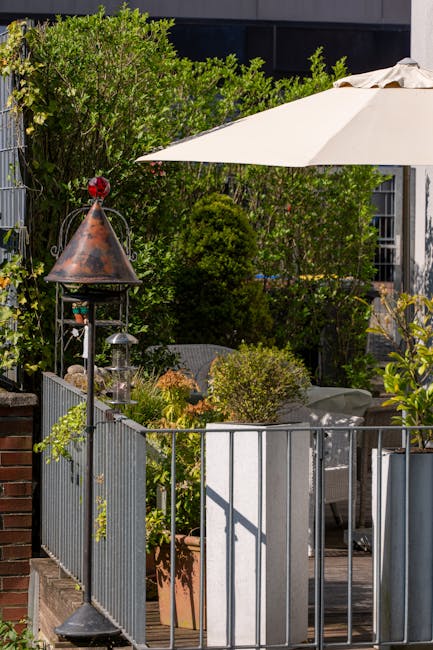
Best gardeners for small terraces in Shoreditch London
If you live in Shoreditch, you already know the reality of a small terrace: limited space, awkward shade, neighbours close by, and weather that seems to change its mind every ten minutes. The best gardeners for small terraces in Shoreditch London understand that a compact outdoor area is not a problem to be solved with brute force. It is a space to be shaped carefully, so it feels calm, usable, and worth stepping into on a grey Tuesday morning or a bright summer evening.
This guide is for anyone trying to make a tiny terrace do more than just hold a chair and a couple of plant pots. You'll find practical advice on choosing the right gardener, what small-terrace work actually involves, how to avoid costly mistakes, and what good results look like in a London setting where every square foot matters. Truth be told, the difference between an average job and a genuinely good one is usually in the planning.
For wider support beyond terrace-specific work, you may also want to look at a gardener or a specialist in garden maintenance if your terrace is part of a larger outdoor space that needs regular care.
Table of Contents
- Why best gardeners for small terraces in Shoreditch London matters
- How small terrace gardening works
- Key benefits and practical advantages
- Who this is for and when it makes sense
- Step-by-step guidance
- Expert tips for better results
- Common mistakes to avoid
- Tools, resources and recommendations
- Law, compliance, standards, or best practice
- Options, methods, or comparison table
- Case study or real-world example
- Practical checklist
- Conclusion
- Frequently asked questions
Why best gardeners for small terraces in Shoreditch London matters
Small terraces need a different kind of gardening skill. On a big plot, mistakes can disappear into the distance. On a terrace, every choice is visible. A plant that grows too large can swallow the whole space. A dark paving choice can make the area feel even tighter. Poor drainage can leave you with soggy pots, slippery surfaces, and that unpleasant urban smell after rain. Not ideal.
In Shoreditch, there is another layer too. Many homes and flats have compact balconies, roof terraces, courtyards, or raised decks exposed to wind, reflected heat, or patchy light from surrounding buildings. The best gardeners for small terraces in Shoreditch London know how to work with those conditions instead of fighting them. They choose plants that behave well in containers, layouts that keep movement easy, and materials that suit the pace and look of city living.
There is also a lifestyle reason this matters. A terrace can become an outdoor room. A small one, yes. But still a room. It can be somewhere to drink coffee before work, read in the evening, or grow herbs for the kitchen. When that space is designed properly, you notice it every day. When it is not, you keep avoiding it, and that's a shame.
Expert summary: A good small-terrace gardener is less about pushing more plants into less space and more about creating balance, drainage, structure, and a layout that feels easy to live with.
How small terrace gardening works
Small terrace gardening starts with constraints. That sounds a bit bleak, but actually it's useful. A strong gardener will begin by looking at size, light, wind exposure, access, privacy, surface type, and how you want to use the space. Do you want dining space? A quiet corner? Screening from opposite windows? Low-maintenance greenery? These questions shape the whole project.
From there, the work usually falls into a few practical stages:
- Assessment - measuring the terrace, checking sun and shade, and looking at drainage, railings, walls, and load-bearing limits if relevant.
- Planning - deciding where pots, planters, seating, and screening will go so the terrace does not feel cramped.
- Plant selection - choosing container-friendly plants that suit your light levels and maintenance appetite.
- Installation - adding planters, soil, irrigation if needed, trellises, or lighting, then positioning everything carefully.
- Ongoing care - pruning, feeding, deadheading, seasonal changes, and keeping everything tidy and healthy.
That process may sound simple, but the nuance matters. A terrace in Shoreditch with full afternoon sun behaves very differently from a shady corner that barely sees direct light. A plant that looks brilliant in one spot may sulk in another. Gardeners who understand this do not guess. They observe, then design.
If the terrace is part of a broader outdoor refresh, it may help to think about related work such as gardening services in Shoreditch or broader garden services if you need more than planting alone.
Key benefits and practical advantages
Hiring the right gardener for a small terrace is not just about aesthetics, although yes, a good terrace looks lovely. It is also about making the space easier to use and easier to maintain. That is where the practical value really shows up.
- Better use of limited space - smart layouts create room to move, sit, and plant without clutter.
- Improved privacy - carefully chosen screening plants or trellis systems can soften overlooked terraces.
- Healthier plants - the right soil mix, pots, and drainage reduce stress and root problems.
- Lower maintenance - structured planting can cut back on constant rescue work and replacement costs.
- More usable year-round space - evergreen structure, tidy surfaces, and seasonal planting keep the terrace useful beyond summer.
- Better property feel - even a small terrace can make a home feel more polished and more liveable.
For many clients, the biggest benefit is emotional rather than technical. A once-neglected terrace starts to feel intentional. You walk out, and it just works. No awkward corners, no dead pots gathering dust, no mini jungle that takes over your weekends.
Small terraces also benefit from professional restraint. Less is often more. A few well-chosen features usually beat ten competing ideas. In our experience, people often feel relief when a gardener says, "You do not need to fill every inch."
Who this is for and when it makes sense
This kind of specialist gardening is a strong fit if your terrace has any of the following issues:
- Very limited floor space
- Patchy or difficult light conditions
- Wind exposure from open height or surrounding streets
- Privacy concerns from nearby buildings
- Dead or tired planting that no longer suits the space
- Too many pots and no clear layout
- Lack of time to maintain the area properly
- A desire to make the terrace feel more like an outdoor room
It is also sensible if you are moving into a new place and want the terrace sorted quickly, or if you've inherited a space that was designed by someone with a completely different taste. We've all seen that one terrace with six random pots, a broken chair, and a trellis that seems to have given up years ago. The usual story.
You might not need a full redesign. Sometimes a lighter-touch visit is enough: pruning, repotting, replacing tired plants, improving drainage, and tightening up the layout. Other times, a full plan is the better call. A decent gardener should be able to tell the difference and not push for more work than you actually need.
Step-by-step guidance
If you are trying to choose the best gardeners for small terraces in Shoreditch London, this simple process will help you decide with less guesswork.
1. Define what you want the terrace to do
Start with function. Do you want somewhere to relax? Grow herbs? Screen a neighbour's view? Create a low-maintenance green backdrop? A good gardener will design differently depending on the answer.
2. Measure the space properly
Not roughly. Properly. Small terraces can feel bigger or smaller depending on a few inches, and that changes what will fit. Measure length, width, access points, railings, door swing, and any awkward alcoves.
3. Check light, wind, and moisture
Notice where the sun lands in the morning and late afternoon. Look at wind tunnels between buildings. See where rain collects after a shower. This information matters more than a glossy plant list.
4. Ask about plant choice
The right gardener should talk about matching plants to conditions, not just style. For example, evergreen structure, drought-tolerant container plants, and compact shrubs often work well on terraces. Herbs and edible flowers can also be a smart choice when you want something useful and attractive. If you like that approach, the site's article on herbs and edible flowers for window-box growing has ideas that translate neatly to terrace containers too.
5. Discuss materials and maintenance
Terraces need practical finishes. Terracotta, fibreclay, and lightweight planters each have trade-offs. Timber, composite decking, and stone surfaces behave differently too. Ask what maintenance the material will need over time.
6. Agree on aftercare
A beautiful install can unravel if nobody maintains it. Confirm whether the gardener offers scheduled visits, seasonal refreshes, pruning, feeding, or troubleshooting after installation.
Simple enough in theory. In practice, this is where good work gets separated from average work.
Expert tips for better results
Here's where a little practical judgement goes a long way.
- Use layers, not rows. A terrace feels more natural when height varies. One tall element, a mid-layer, and lower planting usually work better than a flat line of pots.
- Keep one clear circulation route. Even a tiny terrace should let you walk through without feeling like you're side-stepping a furniture shop.
- Choose containers with purpose. A few larger pots often perform better than lots of tiny ones because they retain moisture more evenly and look calmer visually.
- Think about seasonal movement. Some plants can be swapped or regrouped through the year. That keeps the terrace fresh without constant redesign.
- Use vertical space. Trellises, wall fixings, and climbing plants can add green without taking up valuable floor area.
- Prioritise drainage. On a terrace, poor drainage quickly becomes everyone's problem. Waterlogging is not charming. It is just annoying.
A small but useful rule: if you're unsure between two layouts, choose the one with more breathing room. Tight can look tidy for about five minutes. Then it feels crowded.
Also, do not underestimate scent. A single fragrant plant near the seating area can make the terrace feel more luxurious than a dozen indifferent ones. You notice it at dusk, when the air cools and the street noise drops a little. That's the good stuff.
Common mistakes to avoid
Small terraces are unforgiving in the best and worst ways. A few common mistakes come up again and again.
Choosing plants for looks alone
A plant can look lovely in a nursery and still be the wrong choice for your terrace. If it needs more light, more root space, or more humidity than the site can offer, it will struggle.
Using too many small pots
Too many containers can make the terrace feel busy and harder to water. It also creates a lot of visual noise. Fewer, better-chosen pots usually win.
Ignoring privacy and sightlines
People often focus on plants first and then realise the seating area still feels exposed. If your terrace is overlooked, screening needs to be part of the first plan, not an afterthought.
Forgetting weight and access
Large planters, soil, timber, and water all add up. On upper-floor terraces, load and access should be considered carefully. A sensible gardener will ask about this early.
Skipping maintenance planning
Even the best-designed terrace needs care. If you do not want regular upkeep, say so. A low-maintenance scheme should be built that way from the beginning, not patched later.
Overcomplicating the design
Sometimes people try to fit in seating, dining, storage, herbs, flowers, screening, and a mini wildlife corner all at once. Admirable. Slightly chaotic. On a small terrace, clarity is your friend.
Tools, resources and recommendations
You do not need a garage full of equipment to keep a small terrace looking good, but a few tools and practical supports make life much easier.
- Good-quality pruning shears for tidy cuts and deadheading.
- Lightweight watering can or hose attachment that works in awkward corners.
- Pot feet or risers to improve drainage and protect surfaces.
- Slow-release feed for containers, especially during active growing periods.
- Moisture-retaining compost for hot, exposed terraces.
- Soft ties and plant supports for climbers or structural planting.
- Brush or patio sweeper to keep the terrace feeling neat after windy weather.
If your terrace needs cleaning as part of the refresh, the site's patio cleaning and jet washing services can be relevant for hard surfaces, depending on the material and condition. Used carefully, of course. Not every surface wants aggressive treatment.
For more structural changes, look at garden landscapers if the job includes layout changes, raised beds, decking details, or a more complete redesign. If your terrace also has timber features that need attention, the garden decking service and decking services pages may be useful for adjacent work.
Law, compliance, standards, or best practice
Small terrace projects in London do not always involve heavy regulation, but there are still sensible standards to keep in mind. You should check leasehold rules, building management guidance, and any building-specific restrictions before installing heavy structures, drilling into walls, or altering external features. In shared buildings, that matters a lot more than people expect.
Best practice also includes thinking about safety, drainage, and access. A professional gardener should work in a way that avoids unstable planters, trip hazards, blocked drainage points, or damage to waterproofing layers. If there is any doubt about weight or structural load, it is better to pause and get clarity than to push ahead and hope for the best. Hope is not a plan.
For service standards, it is reasonable to expect clear communication, transparent pricing, insured work where appropriate, and sensible handling of waste and materials. You should also expect any team working at height or using tools on a compact terrace to behave cautiously and professionally. The site's health and safety policy, insurance and safety, and recycling and sustainability pages are relevant if you want to understand the practical standards behind the service.
If you are unsure about permissions or building rules, ask before work begins. It saves hassle later and usually saves money too.
Options, methods, or comparison table
There is more than one way to improve a small terrace. The right method depends on budget, time, and how polished you want the final result to feel.
| Approach | Best for | Pros | Trade-offs |
|---|---|---|---|
| Light refresh | Tired terrace needing tidy-up and new planting | Quick, affordable, minimal disruption | Limited structural change |
| Container redesign | Small terraces with poor layout or weak planting | Flexible, easy to update seasonally | Needs regular watering and feeding |
| Screening-led design | Overlooked terraces needing privacy | Improves comfort and visual calm | Can reduce space if overdone |
| Full terrace makeover | Spaces needing better surfaces, structure, and planting | Best overall transformation | Higher cost and more planning |
| Low-maintenance scheme | Busy households or rented homes | Easy to manage, tidy appearance | Less seasonal change |
If you are deciding between a gardener and a broader landscaping team, think about scope. A gardener is often ideal for planting, maintenance, and refinements. A landscaping job makes more sense if you need surfaces, structure, or layout changes. Not everyone needs the bigger hammer, so to speak.
Case study or real-world example
Picture a compact Shoreditch terrace tucked behind a modern flat. It gets bright morning sun, then partial shade from lunchtime onwards. The owner wants somewhere calm to sit after work, plus some greenery that doesn't take over the space or demand constant rescue missions.
The first issue is layout. The terrace is narrow, with a door opening outwards and a small storage bench already in place. A good gardener would not cram in random containers. They would first create a clear walkway, then use a few larger planters to frame the seating area. One taller evergreen for structure. A couple of softer, lower plants. Perhaps herbs near the door where they can be brushed past and enjoyed.
The second issue is privacy. A neighbour's window looks directly across the terrace, so screening is needed but should not block light. Rather than building a solid wall effect, the better approach is layered planting with a slim trellis and a climbing plant that softens the view without making the terrace feel boxed in.
The third issue is maintenance. The owner is busy and forgetful, in the nicest possible way. So the design needs to be forgiving. That means reliable containers, a simple watering routine, and plants that do not throw a tantrum every time the weather turns. The result is a terrace that feels greener, calmer, and more personal without becoming a second job.
That kind of transformation is what separates the best gardeners for small terraces in Shoreditch London from the rest. Not flashy. Just smart, patient, and tuned in to the space.
Practical checklist
Use this before hiring or briefing a gardener.
- Measure the terrace accurately, including door swings and access routes
- Note sun, shade, wind, and drainage patterns
- Decide the main purpose: relaxing, privacy, growing, or all three
- List any fixed features that must stay
- Ask how many plants and pots are actually needed
- Check whether the design suits your maintenance level
- Confirm whether the gardener has experience with terraces and containers
- Discuss safety, weight, and any building restrictions
- Agree what happens after installation if plants need adjustment
- Ask for a clear quote and scope of work
A simple checklist, yes. But it stops a lot of problems before they begin.
Conclusion
Finding the best gardeners for small terraces in Shoreditch London is really about finding someone who understands scale, light, privacy, and day-to-day use. A small terrace can become a genuinely lovely part of your home if the design is thoughtful and the planting is realistic. That is the sweet spot. Not overdone. Not undercooked. Just right for the space you actually have.
If you want the terrace to feel calmer, greener, and easier to live with, start with a clear brief and choose a gardener who listens properly. Ask about drainage, maintenance, structure, and plant choice. A good professional will make the small space feel bigger, which is a neat trick when you think about it.
And if you're still weighing up your options, that's perfectly normal. Small outdoor spaces deserve a bit of care, not a rushed decision. The right approach can turn even the tiniest Shoreditch terrace into a place you genuinely want to use.
Get a free quote today and see how much you can save.
Frequently Asked Questions
What should I look for in a gardener for a small terrace?
Look for experience with container planting, compact layouts, pruning, drainage, and privacy screening. A good terrace gardener should ask how you use the space, not just what plants you like.
Do small terraces need different plants from normal gardens?
Usually, yes. Terraces often need plants that cope well in pots, wind, reflected heat, and limited root space. Container-friendly and low-maintenance choices tend to work better than large, hungry plants.
How much work does a small terrace garden need?
That depends on the design. A low-maintenance scheme may only need seasonal attention and light upkeep, while a mixed planting terrace can need regular watering, feeding, and pruning.
Can a gardener help with privacy on an overlooked terrace?
Yes. Screening with trellis, climbers, tall pots, and layered planting is one of the most common terrace requests in London. The key is making it private without making it feel boxed in.
Is a terrace redesign worth it if the space is tiny?
Often, yes. Tiny spaces benefit a lot from good planning. A small terrace can become much more functional and pleasant when the layout, planting, and surface treatment are handled well.
What is the difference between a gardener and a landscaper for terraces?
A gardener usually focuses on planting, maintenance, and soft landscaping. A landscaper is more suitable if you need structural changes, new surfaces, built features, or a broader redesign.
Do I need permission for terrace gardening work in Shoreditch?
It depends on the building, lease, and what work is being done. Simple planting usually does not raise issues, but drilling, heavy structures, or changes to external features may need approval. Always check first.
How do I keep a small terrace from feeling cluttered?
Use fewer, larger planters, keep a clear route through the space, and avoid filling every corner. A calmer layout usually looks better and feels easier to use.
What are the best low-maintenance options for a terrace?
Evergreen structure, drought-tolerant container plants, slow-growing shrubs, and simple hard finishes usually work well. A professional can tailor the mix to your light and time constraints.
Should I hire a gardener for seasonal terrace maintenance?
If your terrace has mixed planting or you want it to stay tidy all year, seasonal maintenance is a smart idea. It helps prevent overgrowth, patchiness, and the tired look that can creep in quietly over time.
How do I compare quotes for terrace gardening work?
Compare scope, not just price. Look at what is included: plant sourcing, labour, removal of waste, follow-up care, and whether the gardener has actually accounted for the size and conditions of your terrace.
Can a terrace garden still work in shade or partial shade?
Absolutely. Shade-friendly planting can look elegant and lush if it is chosen well. The trick is matching the plants to the actual light levels rather than hoping they will adapt on their own.
In the end, the right gardener makes the space feel easier, brighter, and more yours. And that matters more than most people realise.